BREAKING: Chris Jones Declines to Celebrate Pride Month in June — States “WOKE” Shouldn’t Be Honored, Citing...
Imagining the Controversy: When Personal Belief Meets Public Pressure
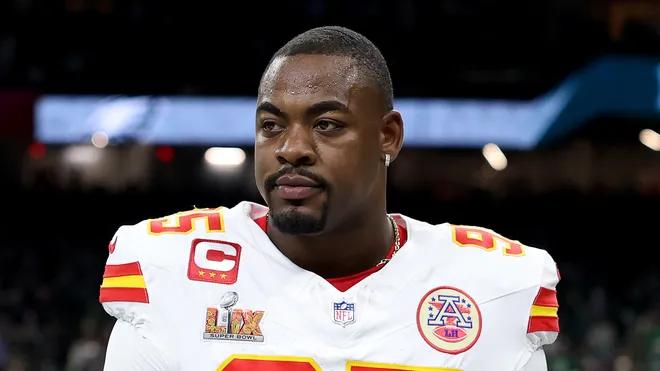
In a hypothetical situation, Chris Jones, the defensive leader of the Kansas City Chiefs, publicly announces his decision not to celebrate Pride Month. He describes the celebration as “a symbol of woke ideology” and asserts that it “shouldn’t be imposed on athletes or glorified in sports.”
Such a statement—if ever made—would instantly generate significant backlash, dominate sports news, and spark intense debates over the intersection of personal beliefs and professional sports.
Fan Response: Divisive and Passionate

In today's polarized political environment, such a declaration would undoubtedly divide fanbases:
✅ Supporters may rally behind Jones, defending his right to free speech and his opposition to “forced activism” in sports.
❌ Critics would likely decry his comments as exclusionary, disrespectful, and harmful to LGBTQ+ fans, teammates, and staff.
😶 Moderate voices might call for more respectful dialogue, steering away from cancel culture or extreme glorification.
NFL & Team Dynamics: Tension Behind Closed Doors
The NFL has consistently shown support for inclusivity in recent years, backing Pride campaigns and promoting diversity training. If Jones were to publicly oppose Pride Month:
🏈 The Chiefs would face significant pressure to address the situation, either supporting Jones’s freedom of expression or distancing themselves from his views.
👥 Teammates—especially those who are LGBTQ+ allies—may feel conflicted or disappointed by his stance.
📉 Sponsors with diversity-driven initiatives could pause campaigns or issue statements to protect their brand image.
Media and Sponsor Reactions: Managing Brand Identity
A player of Chris Jones’s prominence expressing such a view would prompt swift responses from:
-
Major media outlets like ESPN, CNN, and FOX Sports
Sponsors such as Nike, Gatorade, and Verizon, who may reconsider their support or seek clarification
PR firms likely to step in to manage the narrative and issue clarifications or reframe the conversation
Free Speech vs. Platform Abuse: A Deeper Debate
This hypothetical situation raises an important question:
“Where should the line be drawn between personal conviction and public accountability for athletes?”
Supporters of free speech might argue that athletes shouldn’t be compelled to engage in activism, while others believe public figures have an ethical obligation to promote inclusion and avoid alienating marginalized communities.
Social Media Backlash: From Hashtags to Heated Debates
If this scenario were real, the digital backlash could look like:
-
Hashtags such as #CancelJones or #StandWithChris trending
Debates on platforms like TikTok and YouTube Shorts, where influencers and fans go back and forth
Think pieces exploring topics like “The NFL’s Inclusivity Crisis” or “Is It Possible to Be Christian and Celebrate Pride?”
Conclusion: Athletes, Identity, and the Cost of Opinion
In this imagined controversy, Chris Jones becomes a focal point for broader cultural tensions. It raises important questions about:
-
The extent to which athletes should be allowed to express non-mainstream views
What values sports leagues should prioritize
Whether fans want to see football or politics in the game
While Chris Jones has not made such a statement, this hypothetical scenario highlights an important truth: when athletes speak, their words are heard—and met with strong reactions.
May You Like

Latest Posts
Popular Posts