Chiefs GM Brett Veach criticizes NFL for 'light' punishment for Tear Tart after hit on Travis Kelce
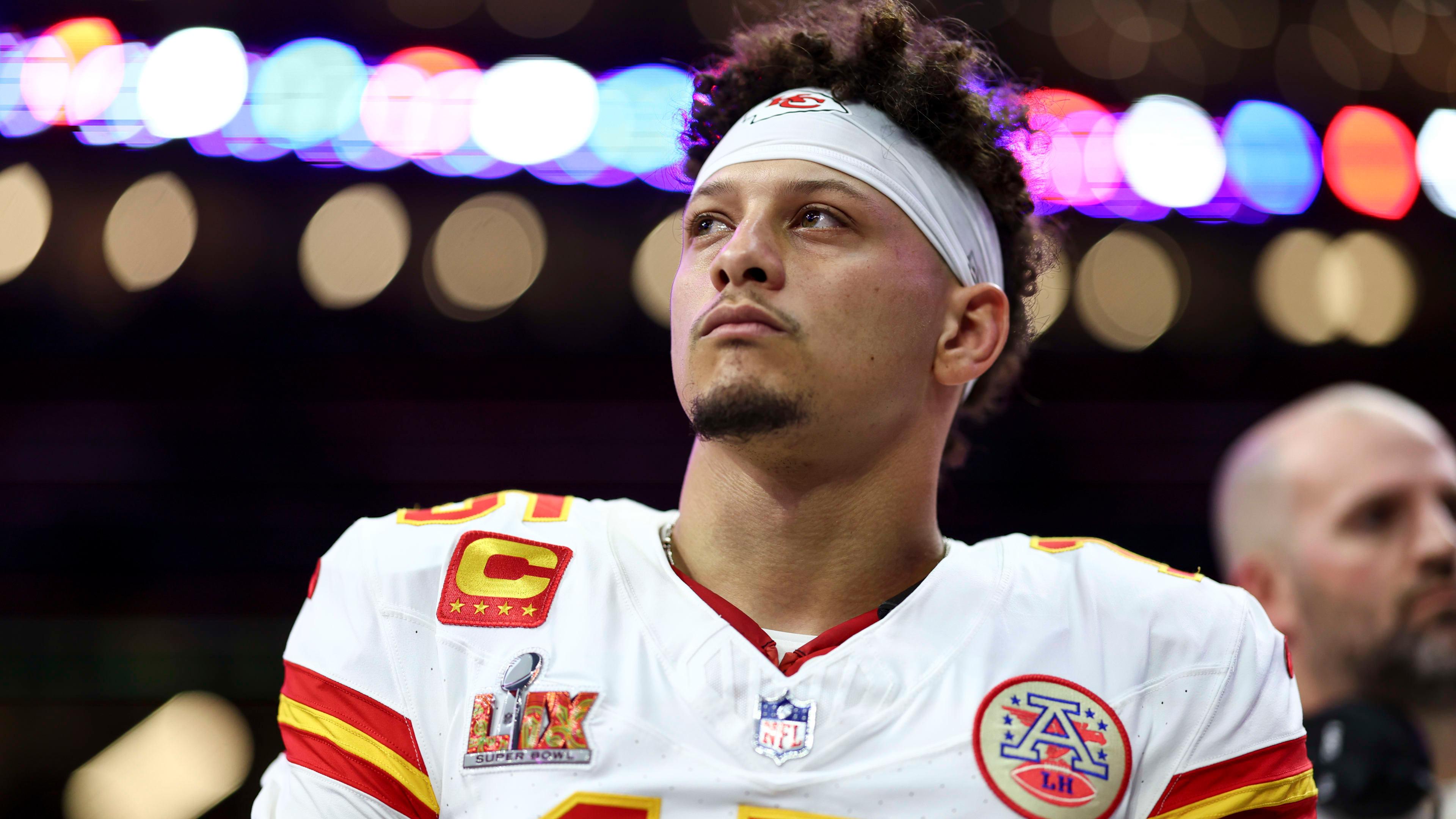
Kansas City, MO – September 9, 2025 — The Kansas City Chiefs have voiced strong frustration after the NFL revealed its discipline for Los Angeles Chargers defensive lineman Teair Tart, who struck tight end Travis Kelce during Friday’s season opener.
Tart was flagged for a 15-yard penalty but avoided ejection, a decision that immediately stirred debate. His continued presence on the field played a key role in the Chargers’ 27-21 upset victory over Kansas City in Brazil.
On Saturday, the league confirmed Tart would be fined $16,333 for the incident. To Chiefs officials and fans, however, a financial penalty felt far too lenient, with many insisting the foul deserved an ejection on the spot.
They caught the Tart slap on Travis Kelce on hot mic #Chargers #BoltUp pic.twitter.com/oW4rpBzvmM
Chiefs general manager Brett Veach took the rare step of criticizing the NFL directly. “The punishment given to Teair Tart is far too light, and everyone saw it,” Veach said. “With Carl Cheffers’ crew in charge, he escaped an ejection, and the whole moment felt unjust.”
Veach didn’t stop there, adding: “If we stay quiet, the NFL will continue to make it harder for the Chiefs to compete fairly. I won’t let that happen.” His words highlight growing tension between Kansas City and the league’s officiating.
During the broadcast, NFL rules analyst Terry McAulay explained that Tart was spared because he struck with an open hand instead of a closed fist. Critics were quick to counter that no such distinction exists in the official rulebook.
The perceived inconsistency only fueled anger, especially in light of Eagles defensive tackle Jalen Carter being ejected the previous night for spitting on Dak Prescott. To Chiefs Kingdom, the contrast underscored a troubling double standard.
For Veach, the issue extends beyond a single fine. His comments signal a shift in tone — a declaration that the Chiefs will no longer remain silent when they believe officiating decisions compromise fairness, particularly when their star players are involved.
May You Like

Latest Posts
Popular Posts