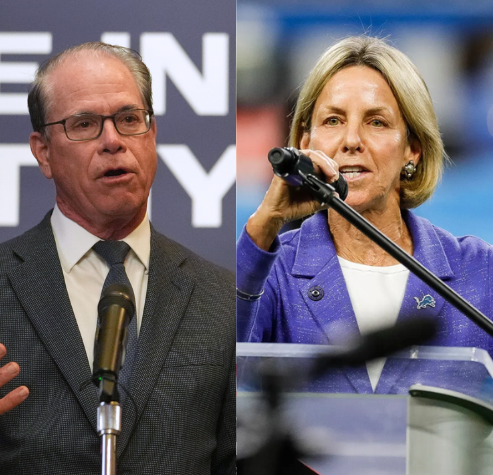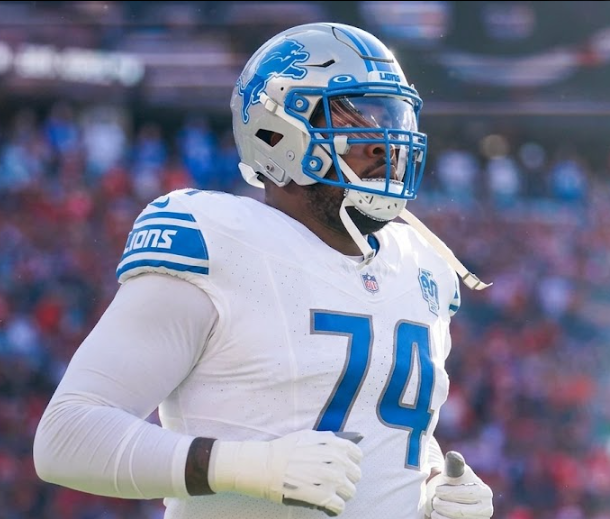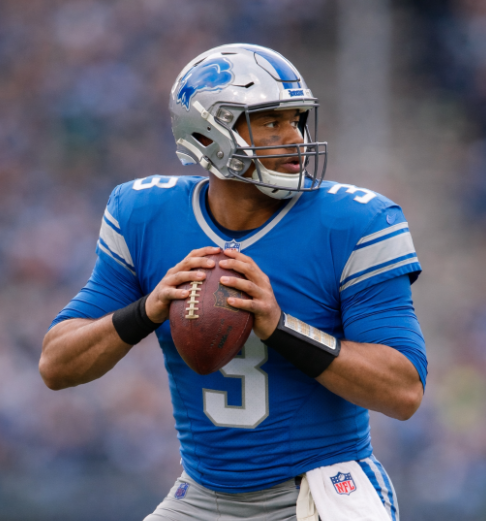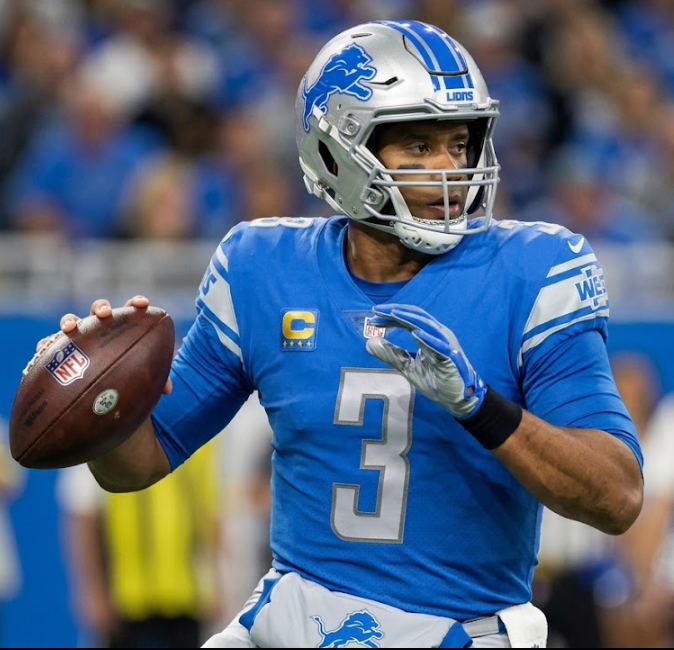
Allen Park, Michigan – Just three hours after Governor Gretchen Whitmer’s latest statement regarding the expansion of the Meijer Performance Center, Detroit Lions owner Sheila Ford Hamp made a stunning announcement that has shaken the fanbase.
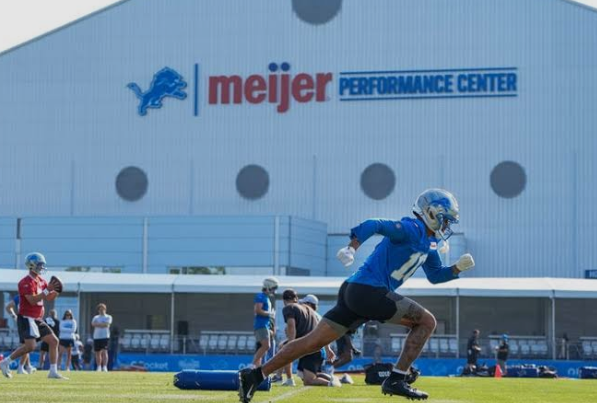
In a move few saw coming, Hamp confirmed that the $120 million expansion project will now be delayed until 2030, despite earlier expectations that construction would begin much sooner.
Governor Whitmer had publicly voiced concerns about the project, emphasizing that Michigan must prioritize broader economic and infrastructure initiatives over sports facility upgrades at this time.
Her statement suggested that while the Lions remain an important part of the state’s identity, public alignment on development priorities is essential for long term planning.
Shortly after those remarks, Hamp released an official response that confirmed the organization’s decision to pause progress on the highly anticipated expansion.
“We are deeply sorry to announce that the expansion of the Meijer Performance Center will be delayed until 2030. While we were fully prepared to move forward, ongoing challenges related to state development priorities have made it necessary to adjust our timeline.”
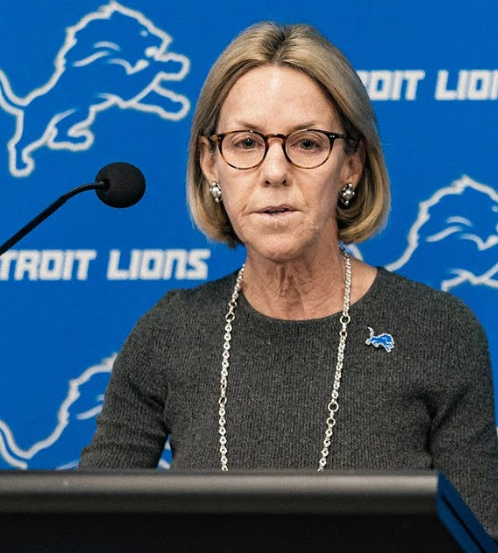
Sources close to the situation indicate that disagreements between the Lions organization and state officials played a significant role in the delay.
At the center of the issue is a broader debate about how Michigan should allocate resources, with Whitmer’s administration focused on long term public investment rather than sports infrastructure.
For Lions fans, the announcement has been met with frustration and disappointment, especially as the team continues to build momentum and aims to remain competitive at the highest level.
Modern training facilities are increasingly viewed as a critical factor in player development, recovery, and overall team success across the NFL.
On social media, reactions were swift and emotional, with many fans questioning whether the delay signals a lack of urgency in supporting the team’s future.
“The Lions need to keep evolving if they want to compete with the league’s best. Delaying this project feels like a step in the wrong direction,” one fan wrote.
Others expressed concern that falling behind in facility development could impact the team’s ability to attract and retain top talent in the coming years.
Despite the backlash, some analysts believe the delay may simply reflect the complex balance between public policy and private investment.
Still, uncertainty now surrounds the long term future of the Meijer Performance Center expansion and whether the project will move forward as originally envisioned.
For now, Lions supporters can only wait and watch as negotiations between the organization and state officials continue behind the scenes.
The hope remains that both sides can find common ground, ensuring that the team’s future infrastructure matches its growing ambitions on the field.
Until then, the delay stands as a reminder that even in football, progress often depends on far more than what happens on game day.