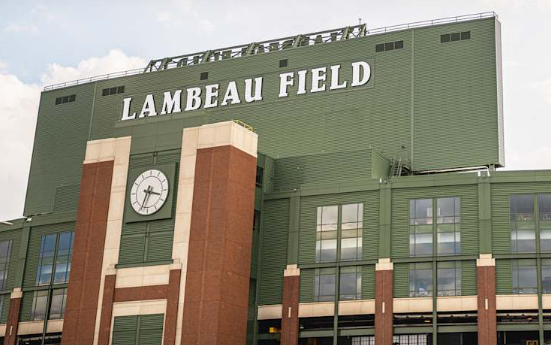
Green Bay, Wisconsin - The Packers are facing one of the most symbolic decisions in franchise history as the future of Lambeau Field has become the center of intense debate.
As league-wide revenue continues to rise, many NFL teams have capitalized on stadium naming rights to generate hundreds of millions of dollars annually.
That reality has created significant pressure on one of the league’s oldest franchises, especially as it competes financially with privately owned teams backed by wealthy owners.
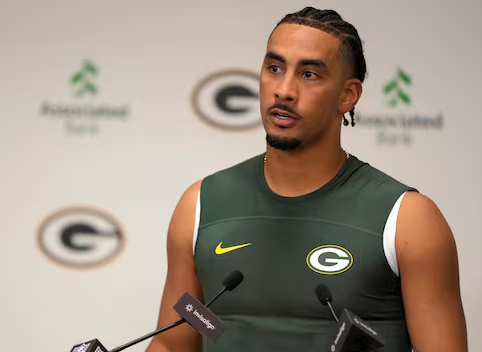
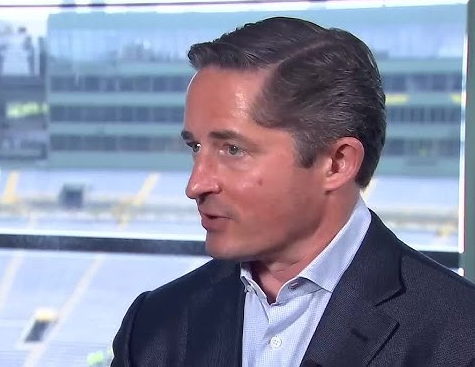
Amid growing concern, CEO Ed Policy has emerged as the central figure delivering the final decision regarding the future of Lambeau Field.
Founded in 1919, the Green Bay Packers have long represented tradition, history, and a unique identity that stands apart across more than a century of NFL competition.
Construction of Lambeau Field began in 1956, with its first game played in 1957 against the Chicago Bears, and it was officially named in 1965.
Across generations, the stadium has been more than just a venue, serving as a cultural landmark tied to victories, legacy, and enduring greatness.
However, in 2026, reports surfaced suggesting the organization had considered selling naming rights to keep pace with modern financial trends across the league.
Lucrative offers from major corporations sparked concern among fans who feared tradition could be sacrificed in pursuit of profit.
In his monthly Policy’s Perspective column, the CEO directly addressed a fan question regarding the possibility of renaming the stadium.
He made it clear that the Packers do not plan to sell naming rights to Lambeau Field in the near future despite receiving significant offers.
"We understand the financial landscape is changing rapidly across the league and naming rights could bring significant revenue, but Lambeau Field represents something far greater than money, and while we evaluate every opportunity carefully, crossing that line is not something we are prepared to do right now or take lightly"
Previously, one of his remarks about becoming the only stadium without naming rights had been taken out of context by media and social platforms.
Policy clarified that it is not a threshold the organization is willing to cross anytime soon.
Instead, the Packers will expand commercial opportunities in other areas, including the training facility and the Titletown development.
This approach allows the team to generate additional revenue without compromising the symbolic value of its historic home.
He also acknowledged the presence of what he described as a healthy financial concern within the organization’s long-term planning.
As the only publicly owned team in the NFL, the Packers do not benefit from billionaire ownership or private equity structures.
Meanwhile, operating costs have continued to rise significantly even as player salaries remain restricted by the league’s salary cap system.
That reality forces the organization to adapt strategically in order to remain competitive for the long term.
The decision to preserve the Lambeau Field name therefore carries meaning far beyond emotion, standing as a declaration of identity.
In an increasingly commercialized NFL landscape, the Packers are choosing the more difficult path to protect their history and the trust of their fans.